Introduction
As use of social media increases, crimes arising from it is also increasing. The rapid growth of social media and digital communication has transformed how people interact, conduct business, and access information. However, this digital revolution has also given rise to serious challenges such as online impersonation, identity theft, deepfake technology, cyber fraud, and the spread of fake news. As digital crimes become increasingly sophisticated, understanding Digital Identity and Social Media Law in India has become essential for every internet user. Indian laws provide several remedies to protect individuals from misuse of their personal information, fake profiles, AI-generated content, and online misinformation.
What Is Digital Identity?
Digital identity refers to the online representation of an individual and includes personal information such as name, photographs, videos, voice recordings, email addresses, social media accounts, biometric information, and other digital footprints. Any unauthorized use of these elements may amount to identity theft, impersonation, or cybercrime under Indian law.
Online Impersonation and Fake Profiles
Online impersonation occurs when a person creates a fake social media profile or uses another individual’s identity to deceive, defraud, harass, or damage reputation. Such acts may involve fake Facebook accounts, cloned Instagram profiles, fraudulent LinkedIn pages, fake WhatsApp accounts, or AI-generated impersonations.
Common objectives behind impersonation include:
- Financial fraud
- Blackmail and extortion
- Reputation damage
- Harassment and stalking
- Fraudulent business schemes
- Political or social misinformation campaigns
Legal Remedies Against Online Impersonation
1. Filing a John Doe (Ashok Kumar) Order
One of the most powerful legal remedies available in India is the John Doe Order, also known as the Ashok Kumar Order. This legal mechanism is particularly useful when the identity of the offender is unknown.
The court may direct:
- Immediate removal of fake profiles and content
- Preservation of digital evidence
- Disclosure of account holder information by social media platforms
- Prevention of further misuse of the victim’s identity
The purpose of such an order is to stop ongoing damage before the offender is formally identified.
2. Action Under the Information Technology Act, 2000
The Information Technology Act, 2000 provides legal protection against various forms of cyber misconduct.
Relevant provisions include:
- Section 66C: Punishment for identity theft.
- Section 66D: Punishment for cheating by personation using computer resources.
- Section 69A: Government power to block unlawful online content.
- Section 79: Safe harbor protection for intermediaries subject to due diligence compliance.
Victims may seek legal action under these provisions depending upon the nature of the offence.
3. Filing a Cybercrime Complaint
Victims can report impersonation or identity theft through:
- Nearest Police Station
- Cyber Crime Cell
- National Cyber Crime Reporting Portal
Important evidence includes:
- Screenshots
- Profile URLs
- Messages
- Emails
- Transaction records
- Audio or video recordings
Prompt reporting increases the chances of identifying the offender and preserving digital evidence.
Deepfakes and AI-Generated Fraud
Artificial Intelligence has introduced new risks through deepfake technology. Deepfakes can create highly realistic videos, images, or voice recordings that appear genuine despite being entirely fabricated.
Deepfakes are increasingly used for:
- Financial scams
- Political misinformation
- Defamation
- Extortion
- Fraudulent advertisements
- Identity theft
Legal Protection Against Deepfakes
Victims of deepfake abuse may:
- File a John Doe Order for immediate takedown
- Lodge cybercrime complaints
- Initiate civil proceedings for damages
- Pursue criminal prosecution under applicable laws
Courts can direct platforms to remove deepfake content and preserve evidence for investigation.
Social Media Platforms and Legal Responsibilities
Social media companies are classified as intermediaries under Indian law. They enjoy limited liability protections only if they comply with due diligence requirements.
Obligations Under Information Technology Rules, 2021
Social media platforms must:
- Appoint Grievance Officers
- Provide complaint redressal mechanisms
- Remove unlawful content upon legal direction
- Cooperate with law enforcement agencies
- Preserve evidence when required
Failure to comply may result in the loss of safe harbor protection and potential legal liability.
How Indian Laws Deal with Fake News
India does not currently have a standalone Fake News Act. Instead, fake news and misinformation are regulated through multiple statutes.
Information Technology Act
Authorities may direct the blocking or removal of content that threatens:
- National security
- Public order
- Sovereignty and integrity of India
Bhartiya Nyaya Sanhita (BNS), 2023
Certain forms of misinformation may constitute criminal offences when they:
- Promote enmity between communities
- Incite violence
- Create panic or fear
- Harm public order
Disaster Management Act, 2005
Section 54 penalizes the circulation of false warnings and rumors during disasters that may cause panic among the public.
How to Protect Your Digital Identity
Individuals should adopt preventive measures to minimize risks.
Best Practices
- Enable two-factor authentication.
- Use strong and unique passwords.
- Verify suspicious messages before responding.
- Avoid sharing sensitive personal information publicly.
- Regularly monitor social media profiles.
- Conduct reverse image searches periodically.
- Report fake profiles immediately.
- Preserve evidence of impersonation or fraud.
Fake Legal Notices on WhatsApp and Social Media
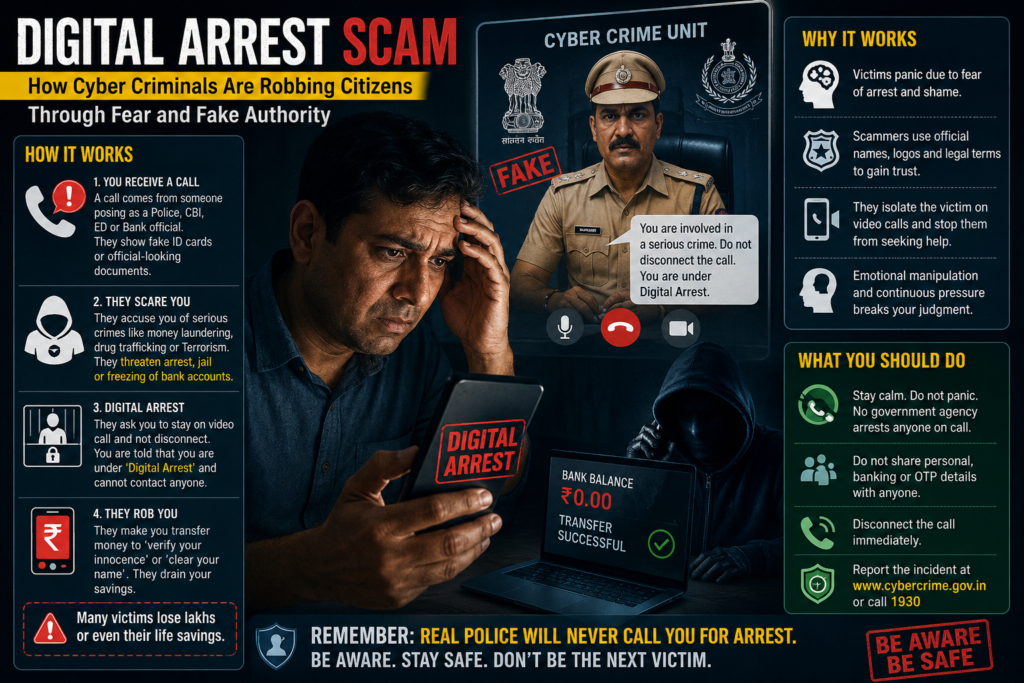
Cybercriminals often use fake legal notices, police notices, or government communications sent through WhatsApp and social media platforms to intimidate victims.
Warning signs include:
- Demands for immediate payment
- Threats of arrest without due process
- Requests for confidential information
- Poorly drafted documents
- Suspicious phone numbers
Individuals should independently verify any legal communication through official channels before taking action.
The Future: Digital India Act
The Government of India is working on the proposed Digital India Act, which is expected to replace the Information Technology Act, 2000. The new framework is likely to address:
- Artificial Intelligence regulation
- Deepfake technology
- Online safety
- Digital identity protection
- Platform accountability
- Emerging technologies such as blockchain and the metaverse
The legislation aims to modernize India’s digital governance framework while balancing innovation, privacy, and freedom of expression.
Conclusion
Digital identity has become one of the most valuable assets in the modern online ecosystem. As cybercriminals increasingly exploit fake profiles, deepfakes, impersonation, and misinformation, individuals must understand their legal rights and available remedies. Indian law provides multiple mechanisms including John Doe Orders, provisions under the Information Technology Act, cybercrime reporting systems, and judicial intervention to protect citizens from digital harm. Staying informed, vigilant, and proactive is essential for safeguarding one’s digital identity and reputation in an increasingly connected world.
FAQs
Q1. What is a John Doe Order in India?
A John Doe Order, also called an Ashok Kumar Order, allows courts to take action against unknown persons involved in online impersonation, deepfakes, piracy, or identity theft.
Q2. Can I file a complaint against a fake social media profile?
Yes. You may report the profile to the platform, file a cybercrime complaint, and seek legal remedies through courts.
Q3. Are deepfakes illegal in India?
Deepfakes used for fraud, impersonation, extortion, or defamation may attract civil and criminal liability under existing laws.
Q4. What should I do if someone clones my voice using AI?
Preserve evidence, report the matter to the Cyber Crime Cell, notify the concerned platform, and consider seeking a John Doe Order.
Q5. Does India have a specific fake news law?
No. Fake news is currently regulated through various laws including the Information Technology Act, Bhartiya Nyaya Sanhita, and Disaster Management Act.