






How to become a Corporate lawyer after 10+2
Becoming a lawyer, specifically a corporate lawyer requires immense focus and dedication. We have divided the journey into 10 Volumes, one article having one Volume. Volume 1 – Foundations of Technology Law (Duration: 8 Weeks | Approx. 100–150 Hours) Objective: Build the legal, research, and technology fundamentals required before diving into cyber law,
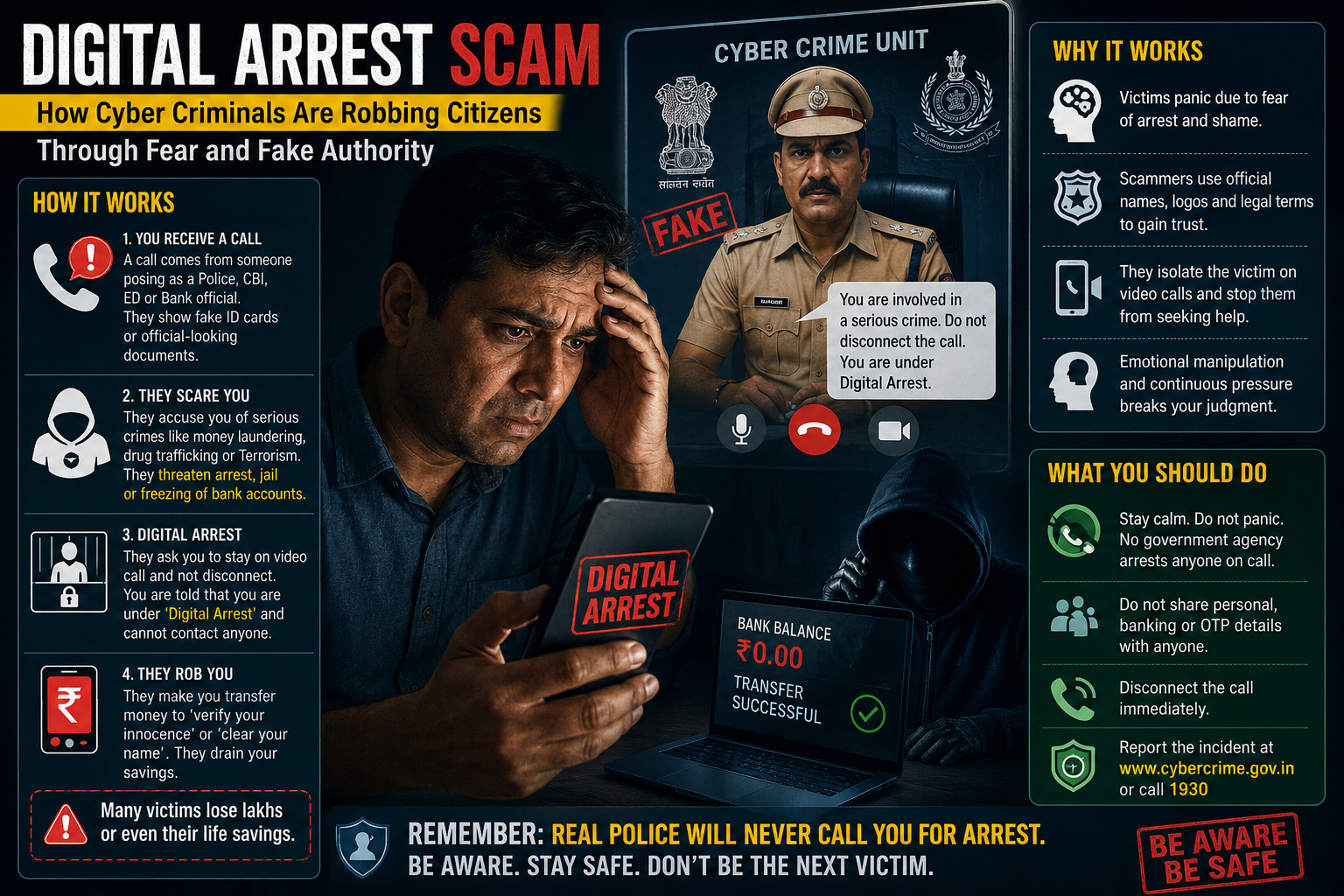
Digital Arrest Scam in India: How Cyber Criminals Are Robbing Citizens Through Fear and Fake Authority
Cyber fraud is increasing day by day worldwide. India is witnessing an alarming surge in a new form of cyber fraud popularly known as the “Digital Arrest Scam.” Cyber criminals posing as police officers, CBI officials, ED officers, customs authorities, narcotics officials, or telecom regulators psychologically manipulate victims into believing
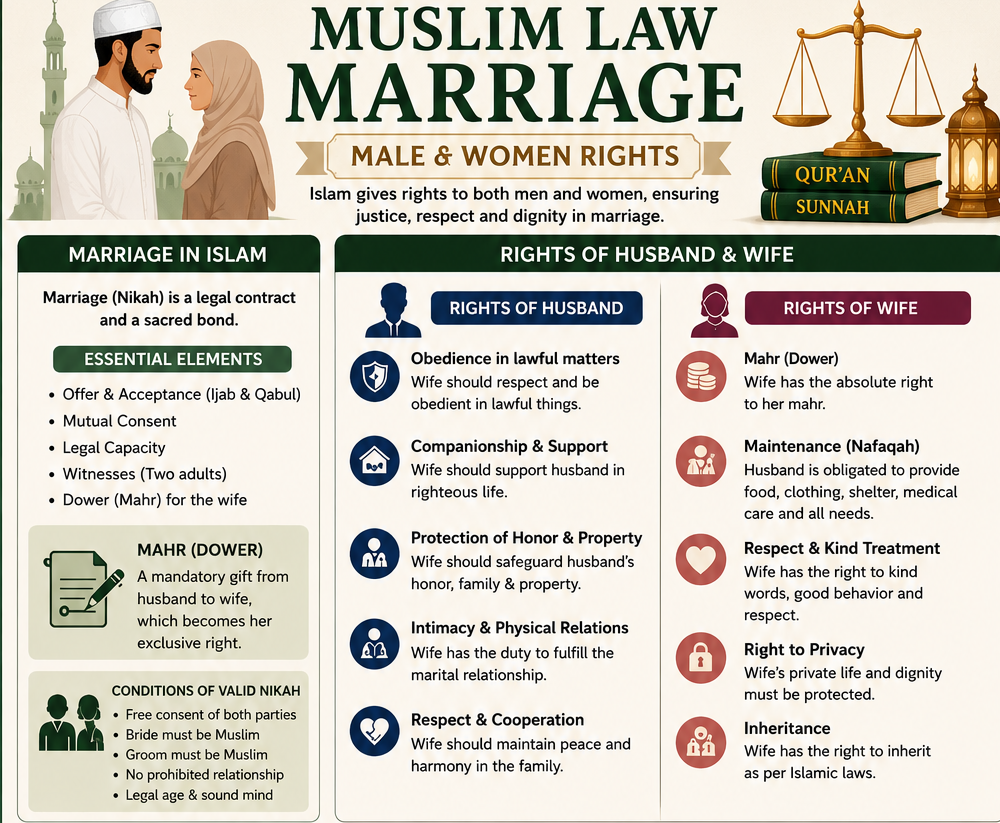
Muslim Law Marriage, Male & Women Rights
Muslim marriage laws fall under Mohammedan Law. Marriage under Muslim law, known as Nikah, is regarded as a civil contract rather than a religious sacrament. It creates legal rights and obligations between the husband and wife while providing legitimacy to children and establishing mutual inheritance rights. Understanding the legal requirements
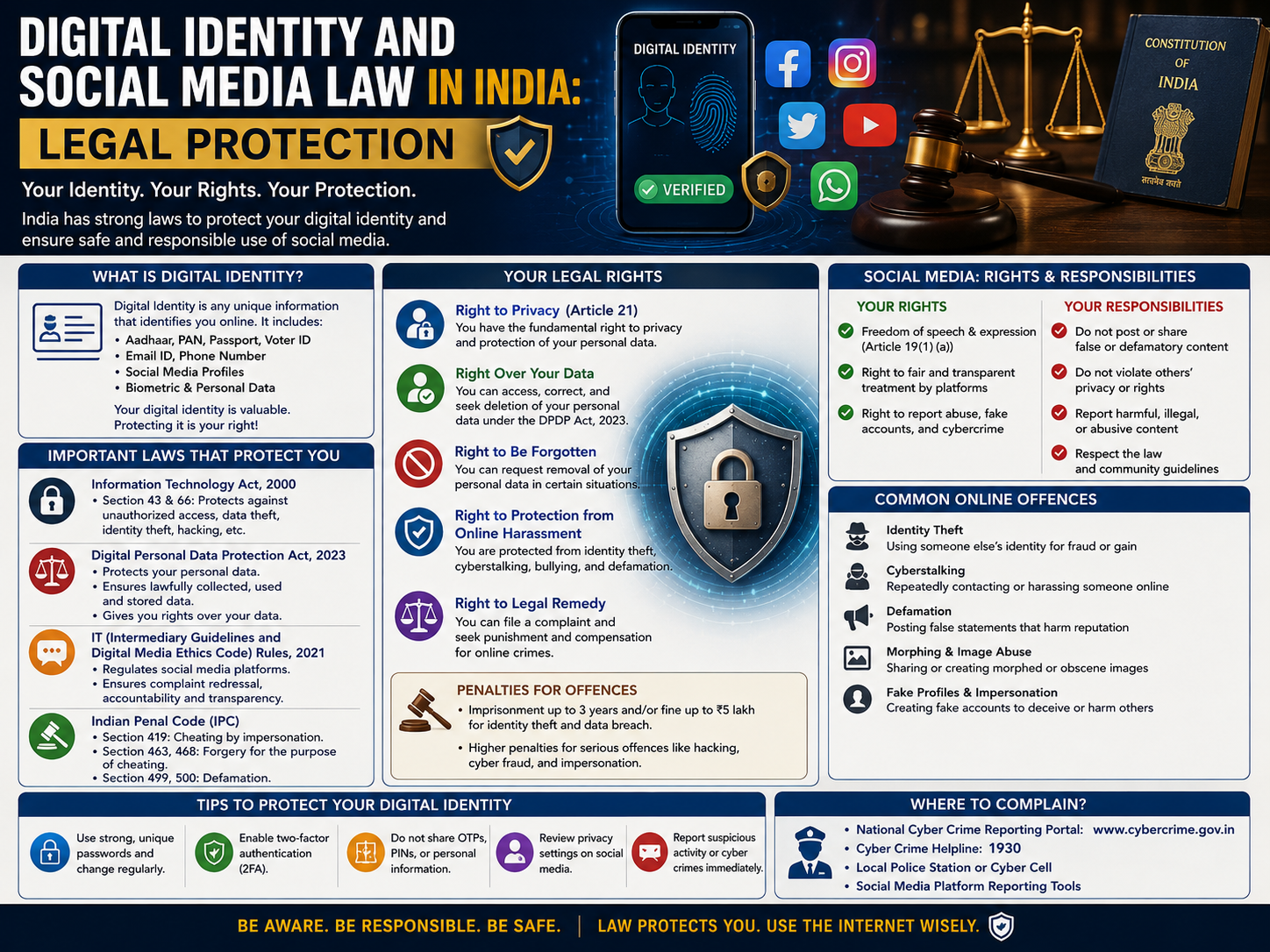
Digital Identity and Social Media Law in India: Legal Protection
Introduction As use of social media increases, crimes arising from it is also increasing. The rapid growth of social media and digital communication has transformed how people interact, conduct business, and access information. However, this digital revolution has also given rise to serious challenges such as online impersonation, identity theft,
Punishment For Offences Against Children and Women Under BNS
The young needs protection, and for them law is continuously being rectified. The Bharatiya Nyaya Sanhita (BNS), 2023 has replaced many provisions of the Indian Penal Code (IPC) and introduced a more structured approach to protecting women and children from crime. Recognizing the vulnerability of these groups, BNS dedicates a
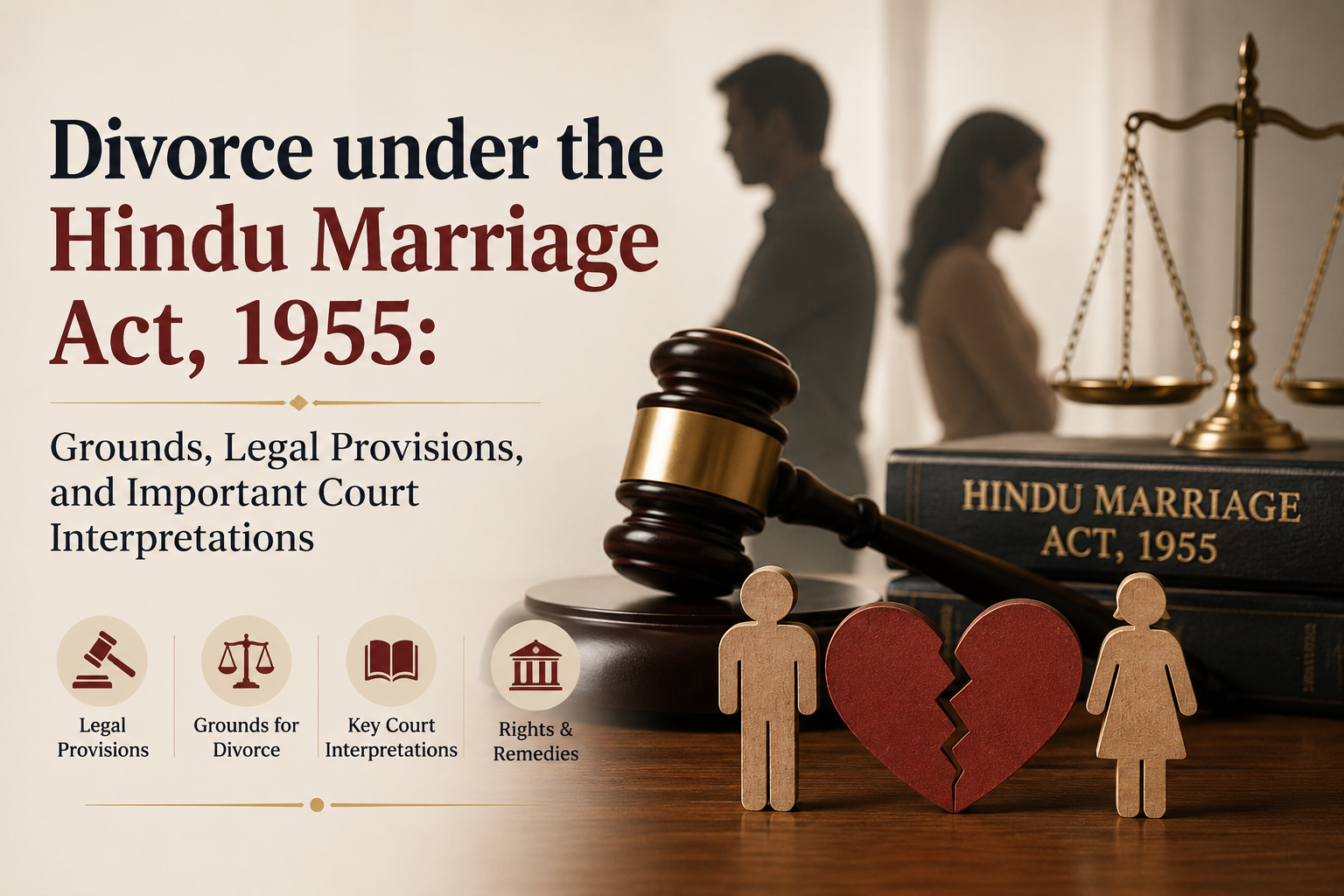
Divorce under the Hindu Marriage Act, 1955: Grounds, Legal Provisions, and Important Court Interpretations
Marriage is considered a sacrament in Hindu law. However, when the relationship breaks down beyond repair, the law provides legal remedies to dissolve the marriage. The Hindu Marriage Act, 1955 governs divorce proceedings for Hindus, Buddhists, Jains, and Sikhs in India. The Act lays down various grounds on which either


How to become a Corporate lawyer after 10+2
Becoming a lawyer, specifically a corporate lawyer requires immense focus and dedication. We have divided the journey into 10 Volumes, one article having one Volume. Volume 1 – Foundations of Technology Law (Duration: 8 Weeks | Approx. 100–150 Hours) Objective: Build the legal, research, and technology fundamentals required before diving into cyber law, data privacy, AI law, and digital forensics. za Module 1: Introduction to Law and Technology (Week 1) Learning Outcomes By the end of this week, you should be able to: Topics Reading Practical Exercise Write a 500-word answer: “Why India needs Technology Law in the digital age.” Module 2: Legal Research (Week 2) This is probably the most important skill you’ll develop. Learn Difference between Research using Learn to use Assignment Find Create a table Case Court Issue Outcome Module 3: Reading Judgments (Week 3) Learn how judges write judgments. Understand Practice Read one judgment every day. Summarize each in one page. Module 4: Legal Drafting

Digital Arrest Scam in India: How Cyber Criminals Are Robbing Citizens Through Fear and Fake Authority
Cyber fraud is increasing day by day worldwide. India is witnessing an alarming surge in a new form of cyber fraud popularly known as the “Digital Arrest Scam.” Cyber criminals posing as police officers, CBI officials, ED officers, customs authorities, narcotics officials, or telecom regulators psychologically manipulate victims into believing that they are under investigation for serious crimes. Using fear, intimidation, fake legal documents, and continuous surveillance through video calls, fraudsters extort huge sums of money from unsuspecting citizens. The scam has become so widespread that the Supreme Court of India has described the situation as deeply concerning and has initiated steps to strengthen the country’s response against these organized cybercrime networks. What is a Digital Arrest Scam? A Digital Arrest Scam is a cyber fraud in which criminals falsely claim that a person is involved in criminal activities such as: The fraudsters then threaten victims with arrest, imprisonment, asset
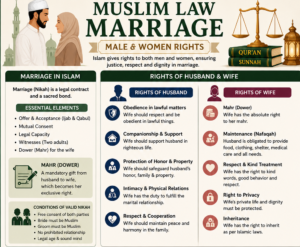
Muslim Law Marriage, Male & Women Rights
Muslim marriage laws fall under Mohammedan Law. Marriage under Muslim law, known as Nikah, is regarded as a civil contract rather than a religious sacrament. It creates legal rights and obligations between the husband and wife while providing legitimacy to children and establishing mutual inheritance rights. Understanding the legal requirements of a valid Muslim marriage is essential for couples, families, and legal practitioners. This article explains the current rules governing Muslim marriages in India, including the essential requirements for a valid Nikah, interfaith marriage regulations, Mahr, witness requirements, and the legal consequences of different categories of marriages. What is Nikah Under Muslim Law? A Nikah is a legally recognized contract between a Muslim man and a Muslim woman. The marriage contract establishes mutual rights and responsibilities and forms the basis of family life under Muslim personal law. Unlike certain religious traditions where marriage is treated as a sacrament, Muslim law
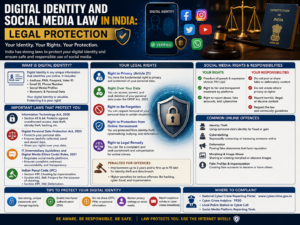
Digital Identity and Social Media Law in India: Legal Protection
Introduction As use of social media increases, crimes arising from it is also increasing. The rapid growth of social media and digital communication has transformed how people interact, conduct business, and access information. However, this digital revolution has also given rise to serious challenges such as online impersonation, identity theft, deepfake technology, cyber fraud, and the spread of fake news. As digital crimes become increasingly sophisticated, understanding Digital Identity and Social Media Law in India has become essential for every internet user. Indian laws provide several remedies to protect individuals from misuse of their personal information, fake profiles, AI-generated content, and online misinformation. What Is Digital Identity? Digital identity refers to the online representation of an individual and includes personal information such as name, photographs, videos, voice recordings, email addresses, social media accounts, biometric information, and other digital footprints. Any unauthorized use of these elements may amount to identity theft,
Punishment For Offences Against Children and Women Under BNS
The young needs protection, and for them law is continuously being rectified. The Bharatiya Nyaya Sanhita (BNS), 2023 has replaced many provisions of the Indian Penal Code (IPC) and introduced a more structured approach to protecting women and children from crime. Recognizing the vulnerability of these groups, BNS dedicates a separate chapter to offences against women and children, highlighting the importance of their safety, dignity, privacy, and rights. The law not only prescribes stricter punishments for serious offences but also aims to deter crimes through enhanced legal protections. This article provides a detailed explanation of the major offences, punishments, and practical examples under BNS. Who is a Woman? Under BNS, a woman means a female human being of any age. Who is a Child? Generally, a child is any person below 18 years of age. However, certain offences prescribe specific age thresholds, such as: What is Illicit Intercourse? The term

Divorce under the Hindu Marriage Act, 1955: Grounds, Legal Provisions, and Important Court Interpretations
Marriage is considered a sacrament in Hindu law. However, when the relationship breaks down beyond repair, the law provides legal remedies to dissolve the marriage. The Hindu Marriage Act, 1955 governs divorce proceedings for Hindus, Buddhists, Jains, and Sikhs in India. The Act lays down various grounds on which either spouse may seek a decree of divorce from a competent court. Over the years, judicial interpretations and legislative amendments have expanded the understanding of these grounds, making the law more responsive to modern social realities. This article provides a detailed overview of divorce under the Hindu Marriage Act, 1955, its grounds, legal requirements, and important judicial principles. What is Divorce under Hindu Law? Divorce refers to the legal dissolution of a valid marriage by a decree of a court. Once a divorce decree is granted, the marital relationship comes to an end, and both parties become legally free to remarry.