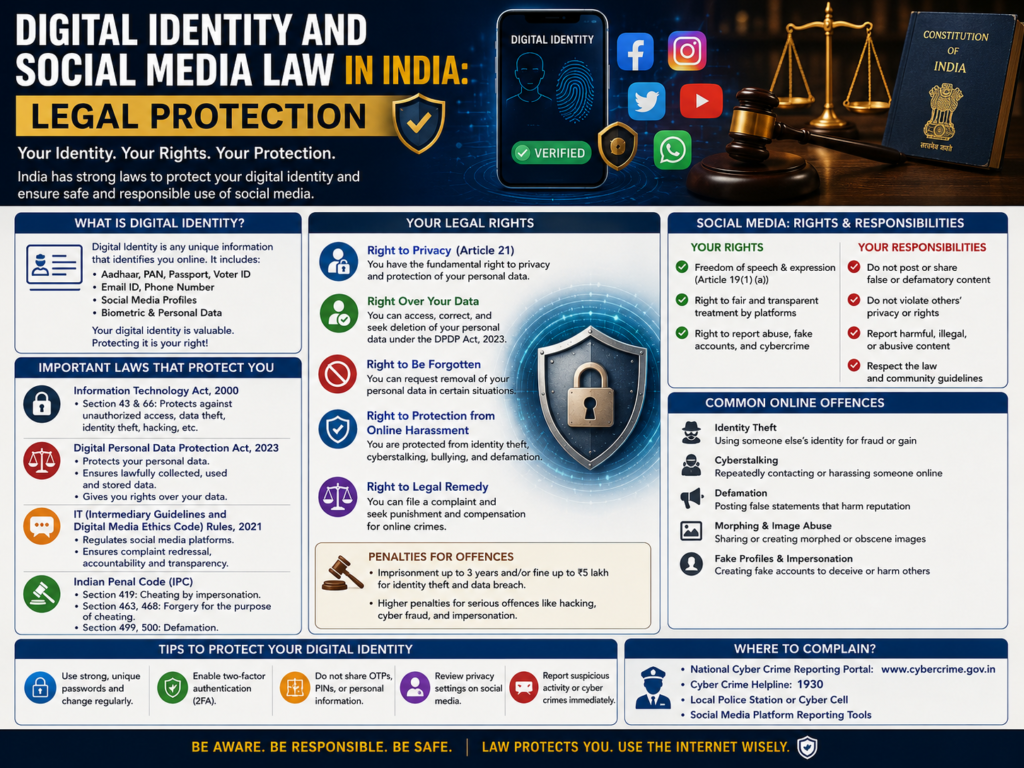
Cyber fraud is increasing day by day worldwide. India is witnessing an alarming surge in a new form of cyber fraud popularly known as the “Digital Arrest Scam.” Cyber criminals posing as police officers, CBI officials, ED officers, customs authorities, narcotics officials, or telecom regulators psychologically manipulate victims into believing that they are under investigation for serious crimes. Using fear, intimidation, fake legal documents, and continuous surveillance through video calls, fraudsters extort huge sums of money from unsuspecting citizens.
The scam has become so widespread that the Supreme Court of India has described the situation as deeply concerning and has initiated steps to strengthen the country’s response against these organized cybercrime networks.
What is a Digital Arrest Scam?
A Digital Arrest Scam is a cyber fraud in which criminals falsely claim that a person is involved in criminal activities such as:
- Money laundering
- Drug trafficking
- Terror financing
- Illegal parcel transportation
- Obscene content distribution
- Financial fraud
The fraudsters then threaten victims with arrest, imprisonment, asset seizure, or criminal prosecution unless they comply with their instructions.
Importantly, there is no concept of “Digital Arrest” under Indian law. Neither the Bharatiya Nyaya Sanhita (BNS), 2023 nor any other Indian statute recognizes arrest through a video call, telephone call, WhatsApp message, or online communication.
How the Digital Arrest Scam Works
Step 1: Initial Contact
Victims receive a call from someone claiming to be:
- Police Officer
- CBI Officer
- Enforcement Directorate Official
- Narcotics Bureau Officer
- Telecom Regulatory Authority Representative
- Customs Department Officer
The caller alleges that the victim’s phone number, Aadhaar, bank account, or parcel is linked to criminal activities.
Step 2: Creation of Fear
The victim is informed that:
- An FIR has been registered.
- An arrest warrant has been issued.
- Their bank accounts will be frozen.
- They may face imprisonment.
- Their family members may also be implicated.
The objective is to create panic and prevent rational thinking.
Step 3: Fake Video Investigation
The victim is forced onto a video call where scammers appear in:
- Police uniforms
- Government office settings
- Fake courtrooms
- Simulated police stations
Many fraudsters use forged identity cards, fabricated documents, and fake court orders to make the fraud appear genuine.
Step 4: Psychological Isolation
Victims are instructed:
- Not to disconnect the call.
- Not to speak to family members.
- Not to consult lawyers.
- Not to contact local police.
This isolation is the most dangerous aspect of the scam because it prevents victims from seeking help.
Step 5: Extortion of Money
Victims are instructed to transfer money into so-called:
- Safe accounts
- Verification accounts
- Government escrow accounts
- Security deposit accounts
In reality, these are mule accounts controlled by criminal syndicates.
Why Are Digital Arrest Scams So Effective?
Authority Bias
Most citizens instinctively trust government officials and law enforcement officers. Scammers exploit this psychological tendency.
Fear of Arrest
Threats of jail, criminal prosecution, and legal consequences trigger immediate panic.
Fear of Social Stigma
Many victims fear reputational damage more than financial loss. Professionals, senior citizens, doctors, and businesspersons often pay simply to avoid public embarrassment.
Isolation Tactics
Continuous monitoring through video calls prevents victims from consulting trusted family members or legal professionals.
Urgency and Pressure
Fraudsters insist that immediate action is necessary, eliminating the victim’s opportunity to verify the claims.
Why Senior Citizens and NRIs Are Common Targets
Cyber criminals frequently target:
- Senior citizens
- Retired government employees
- NRIs
- Professionals
- Pensioners
- Business owners
These groups often possess significant savings and are more likely to respect authority figures.
Limited awareness of modern cybercrime techniques further increases their vulnerability.
The ₹14.85 Crore Delhi NRI Doctor Couple Scam
One of India’s largest digital arrest scams involved an elderly NRI doctor couple residing in Delhi.
The scammers accused the couple of involvement in money laundering and other criminal activities. Through continuous surveillance, threats, and psychological manipulation, they kept the couple under a so-called digital arrest for more than two weeks.
Believing the accusations to be genuine, the victims transferred approximately ₹14.85 crore in multiple installments.
The fraud was ultimately discovered after intervention by legitimate police authorities, leading to a formal complaint and subsequent arrests during the investigation.
Other Major Digital Arrest Fraud Cases
Several high-profile cases have shocked the nation:
- A Mumbai senior citizen couple reportedly lost ₹58 crore.
- A 72-year-old lawyer lost more than ₹3 crore.
- A retired bank official and spouse lost their lifetime savings amounting to several lakh rupees.
- Thousands of victims across India have reported similar frauds involving fake arrests and investigations.
Legal Position in India
Does Digital Arrest Exist Under Law?
No.
Indian law does not recognize digital arrest.
No police officer, CBI official, ED officer, customs officer, or court can legally:
- Arrest you through a video call.
- Demand money over a phone call.
- Ask for OTPs.
- Direct transfer of funds to verification accounts.
- Conduct investigations solely through WhatsApp or video conferencing.
Any such demand is almost certainly fraudulent.
Supreme Court’s Response
Recognizing the seriousness of the issue, the Supreme Court of India has taken several important steps:
Nationwide Investigation
The Court has called for coordinated investigations into digital arrest syndicates and mule account networks.
Stricter Bail Conditions
The Court has indicated that persons involved in such organized cyber frauds should not receive easy bail during ongoing investigations.
International Cooperation
The Court has urged stronger international collaboration because many scam networks operate across national borders.
Regulatory Coordination
Government agencies, banking regulators, telecom authorities, and cybercrime units are being encouraged to strengthen fraud prevention mechanisms.
Proposed Digital Arrest Prevention Framework
Authorities are considering several preventive measures:
High-Value Transaction Cooling Period
Banks may temporarily delay suspicious high-value transactions to allow verification.
AI-Based Fraud Detection
Artificial Intelligence systems could identify unusual transaction patterns and trigger alerts before funds leave a customer’s account.
Immediate Account Freezing Mechanisms
Rapid response systems may help freeze suspicious accounts before funds are withdrawn.
Unified Cyber Security Infrastructure
Integrated cooperation among:
- Banks
- Telecom companies
- Cybercrime units
- Government agencies
could significantly improve fraud detection and prevention.
How to Protect Yourself from Digital Arrest Scams
Never Panic
Scammers depend on fear and urgency.
Verify Independently
Disconnect the call and contact the concerned department using official numbers.
Never Transfer Money
No genuine government agency will ask you to transfer money for verification purposes.
Never Share Sensitive Information
Do not share:
- OTPs
- Banking credentials
- Debit card details
- Credit card information
- Net banking passwords
Consult Family Members
Discuss suspicious calls with trusted family members before taking any action.
Stay Educated
Regular awareness is the most effective defense against cybercrime.
What Should You Do If You Become a Victim?
Call 1930 Immediately
The National Cyber Crime Helpline (1930) should be contacted as soon as possible.
Report Online
File a complaint through the National Cyber Crime Reporting Portal.
Preserve Evidence
Keep records of:
- Phone numbers
- Screenshots
- Bank transaction details
- UTR numbers
- Emails
- WhatsApp chats
Inform Your Bank
Request immediate action regarding suspicious transactions.
File an FIR
Approach the nearest police station or cybercrime police station.
The Importance of the Golden Hour
The first hour after a fraudulent transaction is often called the “Golden Hour.”
Prompt reporting during this period substantially improves the chances of:
- Freezing funds
- Blocking transactions
- Identifying beneficiary accounts
- Recovering stolen money
Even if the golden hour has passed, victims should report the fraud immediately because investigations can continue through banking channels and law enforcement agencies.
Conclusion
The Digital Arrest Scam represents one of the most dangerous cybercrime threats facing India today. By exploiting fear, authority, and social stigma, cybercriminals have successfully defrauded thousands of citizens and stolen crores of rupees.
The most effective defense remains awareness, vigilance, and immediate reporting. Citizens must remember that no legitimate authority can arrest them over a video call or demand money to avoid criminal proceedings. Staying informed, questioning suspicious communications, and contacting official authorities can prevent devastating financial losses and help combat this growing cybercrime epidemic.